


Live demoExplore a synthetic sample deal, from source files to a draft credit memo.

Try the demo

AI harness for private credit

Infrastructure for credit markets.

CreditMarkit is an AI harness for private credit. It ingests a company's financials and documents, evaluates the deal against a lender's mandate, and produces the underwriting work — so capital moves on evidence instead of proximity.

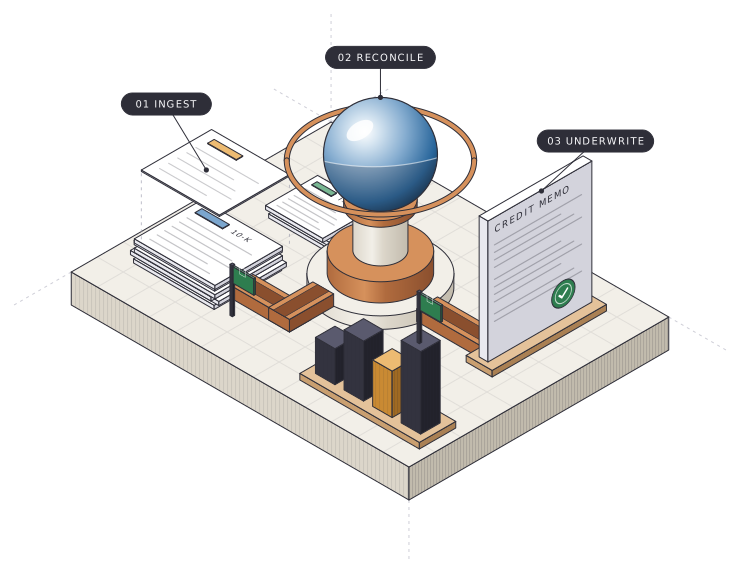
Illustration: documents are stacked on a platform, carried by channels into a glass reconcile engine, and emerge as a standing credit memo beside a row of ratio bars.
01 · ReadsStatements, tax returns, and operating documents across multiple years.
02 · EvaluatesEach deal tested against one lender's mandate, structure, and appetite.
03 · UnderwritesCredit memos and diligence answers, every figure traced to its source.
Illustrative run
Harness run / CM-1042 Illustrative
  1. 01
    Ingest

    6 documents · FY2023–FY2025

    complete
  2. 02
    Extract

    Statements normalized to one schema

    complete
  3. 03
    Validate

    Tie-outs, ratio engine, anomaly flags

    complete
  4. 04
    Evaluate

    Tested against Atlas Credit mandate

    in review
  5. 05
    Underwrite

    Memo draft, diligence Q&A, covenant tests

    queued
Validation

✓Assets = liabilities + equity tied

✓Net income ties to cash flow tied

✓Revenue series, 3 periods consistent

!Customer concentration 38% flagged

Outputs

Credit memo draft · 12 pp

Diligence Q&A 24 answers · cited

Covenant tests 4 modeled

Illustrative run. Company, figures, and lender shown are sample data — not a live CreditMarkit customer.

$1.7TPrivate credit market, and growing
Source-tracedEvery figure in a memo cites its source document
Reconcile onceDecisions made on one sourced record, not three versions
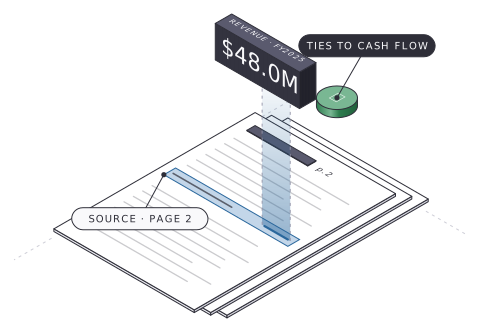
Illustration: a figure of $48.0M lifted out of a highlighted row on page 2 of an income statement, with a passed check beside it.

Traceability

Every number answers to a document.

A memo is only as good as the trail behind it. Each figure in a CreditMarkit memo carries the source it came from and the check that validated it — and the ones that didn't pass get flagged instead of smoothed over.

See the four layers
Memo extract / Northstar LogisticsIllustrative
MetricValueSourceCheck
Revenue · FY2025 $48.0M income_statement_FY2025.pdf · p.2 Ties to cash flow
EBITDA $7.2M Operating income + D&A, recomputed Margin recomputed
Total assets $31.4M balance_sheet_FY2025.pdf · p.1 A = L + E
Fixed-charge coverage 1.9x Computed from validated series Above 1.25x minimum
Customer concentration 38% Management materials · account schedule Flagged for review

Illustrative. Figures, documents, and companies shown are sample data used to demonstrate the harness output format.

The harness

One system. Four layers.

A harness is the structure around a model: the schemas, checks, and evidence rules that make its output usable in a credit decision. CreditMarkit runs the same harness on every deal, in the same order, against the same standard.

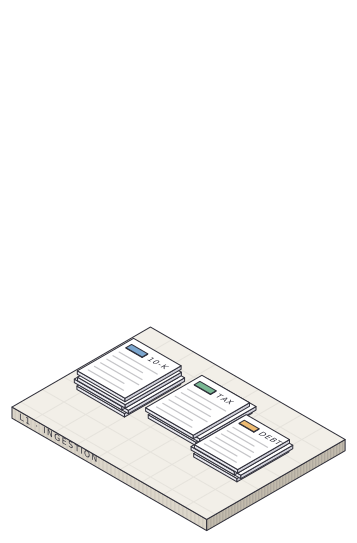
L1Ingestion

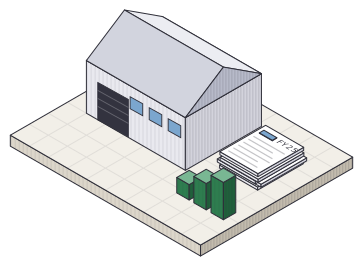
Reads the documents a business already has, in the form they already exist.

Given
Financial statements, tax returns, debt schedules, and management materials
Emits
Normalized statement set · one schema · multi-year series
L2Validation

Checks the statements against themselves before anyone reads a number.

Given
Extracted line items, period over period
Emits
Tie-out log · balance checks · recomputed margins · anomaly flags
L3Evaluation

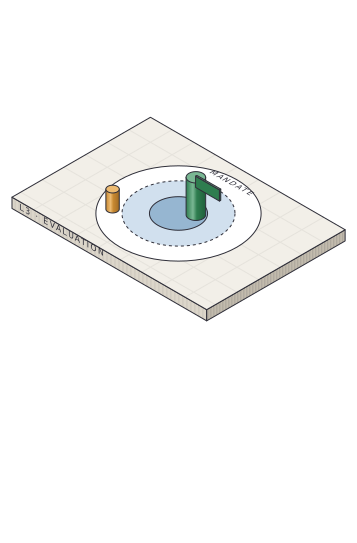
Tests the deal against one lender's mandate — not a generic credit score.

Given
Validated financials plus the lender's stated mandate and structure
Emits
Fit read · structure options · the questions that decide it
L4Underwriting

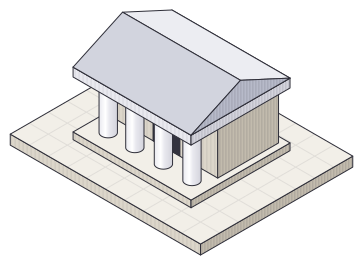
Assembles the work product a credit committee actually reads.

Given
Fit read plus the full evidence trail
Emits
Credit memo draft · diligence Q&A · covenant tests · source citations
Try the Demo

The marketplace

Both sides, one record.

CreditMarkit is still a marketplace that connects businesses with capital. What changes is what sits between them: a shared, sourced record of the deal that both sides can stand on.

Business / borrower

Tell the story once

  • 01Submit financials and documents in the form you already keep them
  • 02Get a profile built from validated numbers, not re-keyed spreadsheets
  • 03Answer each lender's diligence questions once, with evidence attached
  • 04See what actually drives the decision instead of guessing at it

Joining the waitlist stores an email — no financial data is collected from this site.

For businesses

The harness

Does the work between

  • 01Normalizes and validates every period of the statement set
  • 02Tests the structure against the specific lender's mandate
  • 03Writes the memo, the Q&A, and the covenant tests
  • 04Cites the source document behind every figure it reports

The harness is the same on every deal. The mandate is the lender's.

The four layers
Lender / allocator

Decide on evidence

  • 01See opportunities filtered to your stated mandate and appetite
  • 02Read memos where every number traces back to a document
  • 03Ask diligence questions once and keep the answers on record
  • 04Spend your time on judgment instead of assembly

CreditMarkit prepares the work. The lender makes the decision.

For direct lenders

Who it's for

Three ways in. One check.

How a package moves through CreditMarkit Material from any side enters one reconcile check, which returns cited exceptions ranked by severity for a human decision. The system never approves or declines credit. Reconcile check deterministic math every figure cited to source Human decision

Businesses seeking capital send statements, notes, and a debt schedule. What comes back is a lender-ready record where every figure cites the page it came from. See the borrower view →

Funds and direct lenders send a package and its spread. What comes back is a ranked list of cited exceptions, each one reproducible without trusting us. See the allocator view →

Advisors running the process send client material. What comes back is one reconciled record that survives every lender’s review, not a fresh rebuild per conversation. See the advisor view →

Early access

Driving Efficiency in Credit Markets

Fill out the form and we'll reach out for early access to CreditMarkit

Questions first? support@creditmarkit.com

Request Early Access

Your email app will open. Send the draft to complete your request. If it doesn’t open, email us directly using the address shown here.